 CHANGKHAM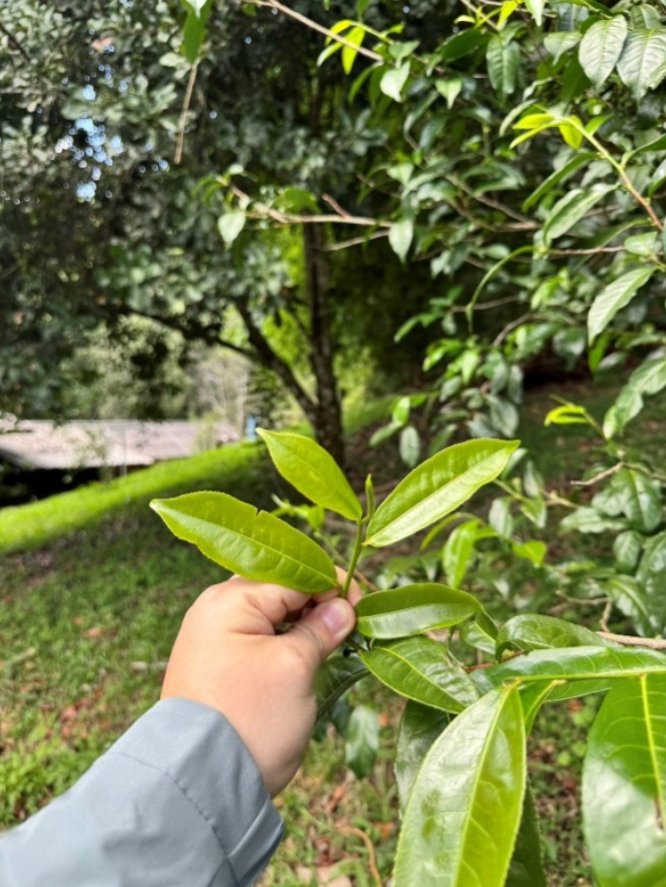
Wild Tea of Northern Thailand — Nature-Sown Trees and Migrant Memories
“...Though the mountains stand silent and speak no words, nature continues its quiet work, gently shaping every tea leaf. Tea is not confined to cultivated gardens; it lives within every corner of the forest that nurtures its growth. And although the leaves themselves remain silent, their fragrance gradually unfolds stories that transcend time, inviting those who encounter them to experience something far deeper than words...”
Nestled among the mountains of Northern Thailand lies a landscape that shares a long-standing ecological connection with the tea-growing regions of Yunnan, China. Here, ancient tea trees have taken root amid mist-covered forests and rolling highlands for centuries. Some are believed to be over a hundred years old, their true origins long forgotten by time.
The provinces of Chiang Mai, Chiang Rai, Phayao, and Mae Hong Son are situated at elevations ranging from 800 to 1,600 meters above sea level. Their unique mountainous terrain, cool climate, year-round mist, and mineral-rich soils create an environment exceptionally suited to the natural growth of tea. Together, these elements have given rise to some of the region’s most remarkable tea trees, shaped not by human design, but by nature itself.
Here, tea trees do not simply grow under cultivation. Instead, they exist in harmony with the surrounding forest, sending their roots deep into the earth and drawing nourishment from the rich ecosystem around them. Over generations, they have quietly developed distinctive characteristics that are reflected in every tender leaf, every nuanced aroma, and every cup of tea they produce.
Within the lush forests of the ancient Lanna Kingdom, tea trees have long been more than a valuable crop. They are woven into the fabric of everyday life, collective memory, and cultural heritage, passed down through generations. Ethnic communities such as the Akha, Lahu, Tai Yai (Shan), and many others have shared a deep connection with these tea trees for centuries.
Stories such as, “Our ancestors planted this tea tree before there were roads,” or “Tea is the medicine our grandparents left for us,” continue to be passed from one generation to the next. While these accounts may sound like local folklore, they are, in many ways, living traces of history—reflecting the journeys, settlements, and wisdom that people carried with them across borders long ago.
The story of tea in this region may date back some 300–400 years, from the late Ming Dynasty through the early Qing Dynasty. During this period, groups of people from Yunnan gradually migrated southward along the Salween River, crossing mountains and valleys into what are now Thailand, Myanmar, and Laos. Along their journey, they carried tea seeds and young saplings from their homeland. Upon finding new places to settle, they planted them on forested hillsides and mountain slopes, establishing new roots in unfamiliar lands.
As the centuries passed, these tea trees flourished quietly among the mist and mountains, extending their roots deep into the earth and becoming an inseparable part of the Lanna landscape. Many of these ancient trees still stand today, silent witnesses to the passing of generations, the rhythms of nature, and the unfolding of history.
Every tender bud that emerges today is therefore more than a tea leaf. It is a living record of migration, memory, and cultural heritage—an enduring legacy that continues to thrive within the forests of Northern Thailand.
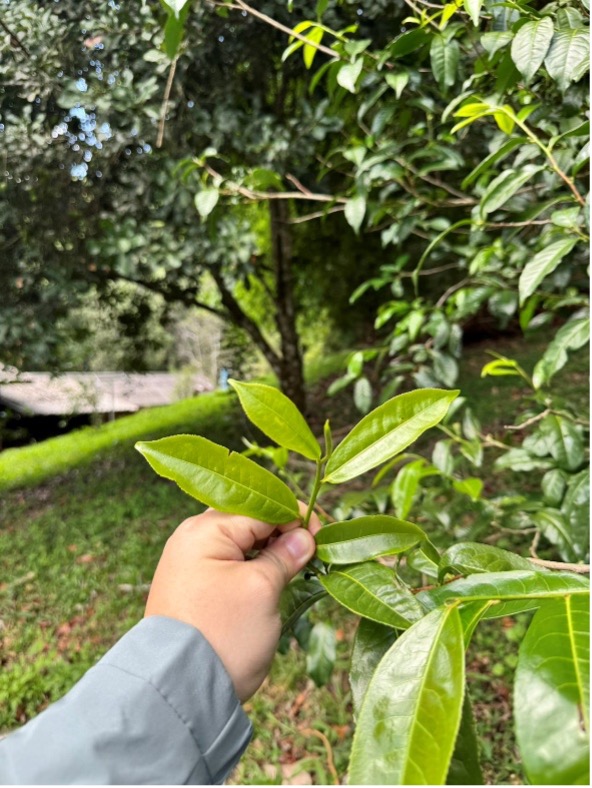
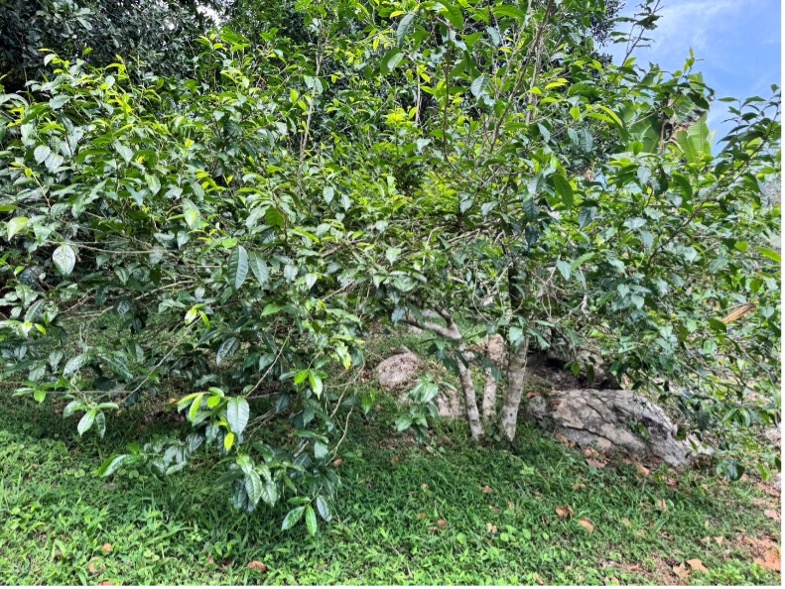
An intriguing perspective suggests that tea trees may have existed long before humans learned how to cultivate, process, or even consume tea. In other words, there may have been tea trees long before there was a tea culture.
Long before tea became part of daily rituals and traditions, people may have first encountered these trees deep within the natural forests, gradually discovering their value over time. For this reason, tea in this region is not merely an agricultural crop grown in cultivated gardens; it is a native part of the forest itself.
Rooted within a rich and thriving ecosystem, these ancient tea trees have been nurtured by mountain mists, fertile soils, and the passage of time. Shaped by nature over countless generations, they have become a living heritage—one that reflects both the enduring beauty of the forest and the wisdom of the communities that have lived alongside it for centuries.
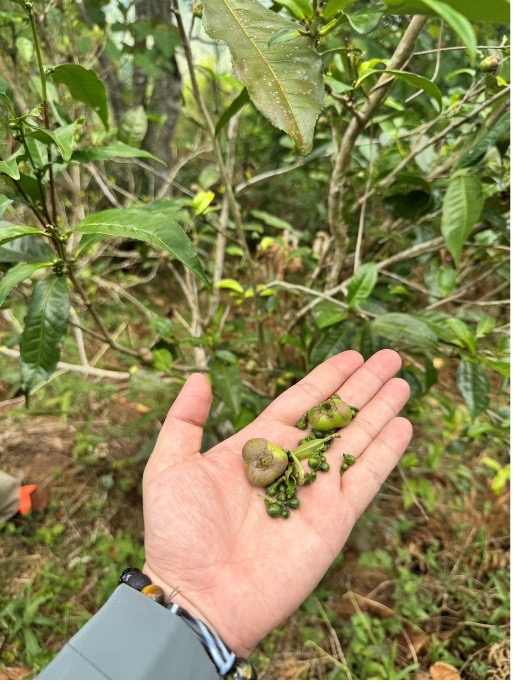
Another remarkable characteristic of tea trees is their ability to propagate naturally. Tea seeds that fall to the forest floor—or are carried by birds and other wildlife—may travel across the landscape and take root in suitable environments. Over time, they can grow into ancient tea trees thriving deep within the forest, their true origins long obscured by nature and time.
Local communities in the mountainous regions often speak of discovering tea trees in places where no cultivation had ever taken place, as though nature itself had chosen those locations. In this way, tea is more than a plant; it is part of an ongoing journey shaped by forests, wildlife, and the passage of generations.
For this reason, tea is not found only in cultivated gardens. It also exists quietly within remote mountain valleys, hidden among dense forests and drifting mists that have blanketed the land for centuries. There, it grows with quiet resilience—never competing, never rushing, but following the rhythm of nature itself. And should you one day venture deep into these tranquil highlands, pausing to listen to the forest and observe its subtle details, you may discover an ancient tea tree nestled among the wilderness—a hidden treasure, carefully preserved by nature for centuries.