 CHANGKHAM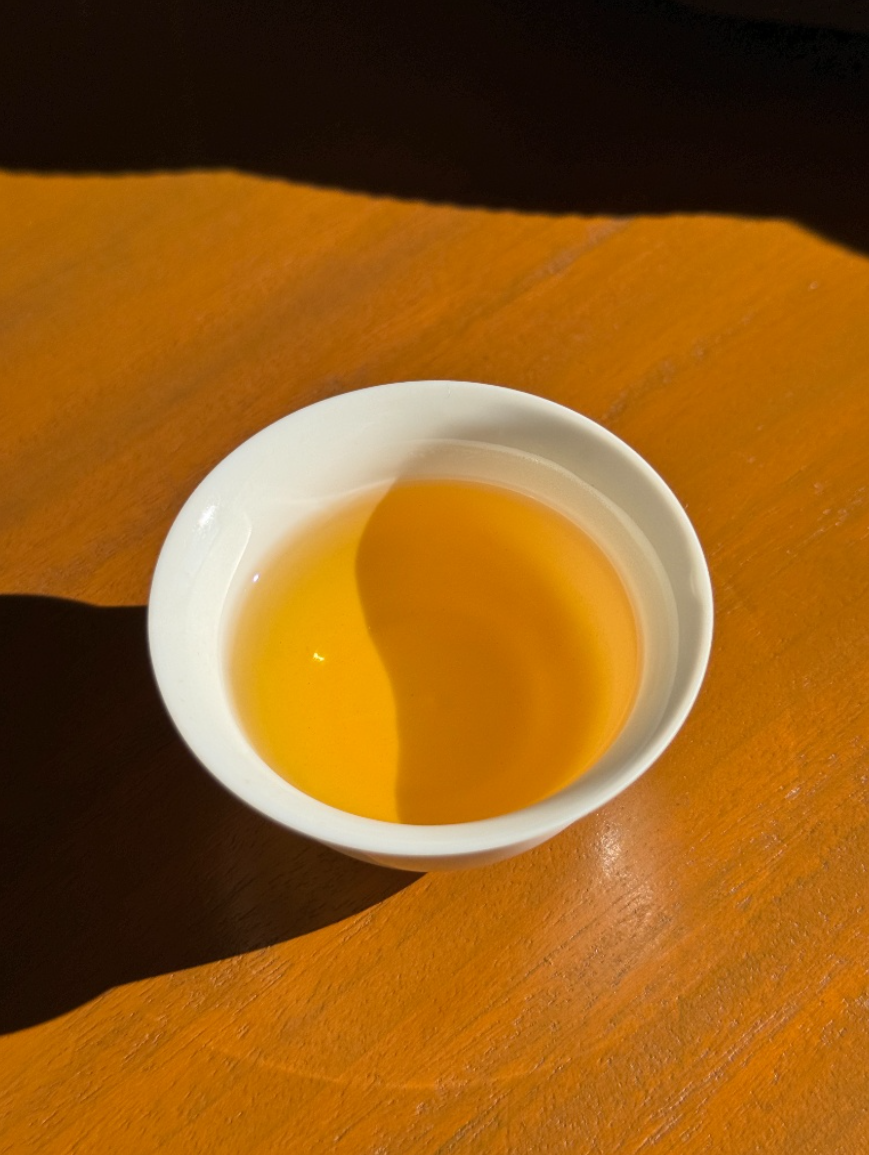
The Story Behind ChangKham
The Origin of ChangKham
The story of ChangKham, meaning “The Elephant’s Gold,” began with what seemed like a chance encounter—one that would eventually become the turning point that shaped the brand’s journey.
One day in Chiang Mai, while dining at a local restaurant, our attention was drawn to several trees growing quietly behind the building. Surrounded by forest and natural landscapes, they looked nothing like the neatly cultivated tea gardens we were familiar with. Instead, they stood freely among the wilderness, appearing as though they had been there for generations.
Curious about what they might be, we picked a few young leaves and tasted them. In that very moment, something that had long gone unnoticed became unmistakably clear.
"Those trees were tea trees."
That discovery changed more than our perception of the forests and mountains of Northern Thailand. It marked the beginning of a journey of exploration, research, and discovery—one that led us deeper into the world of ancient forest tea trees hidden within the region’s landscapes.
Over time, this journey became the inspiration behind the creation of ChangKham.
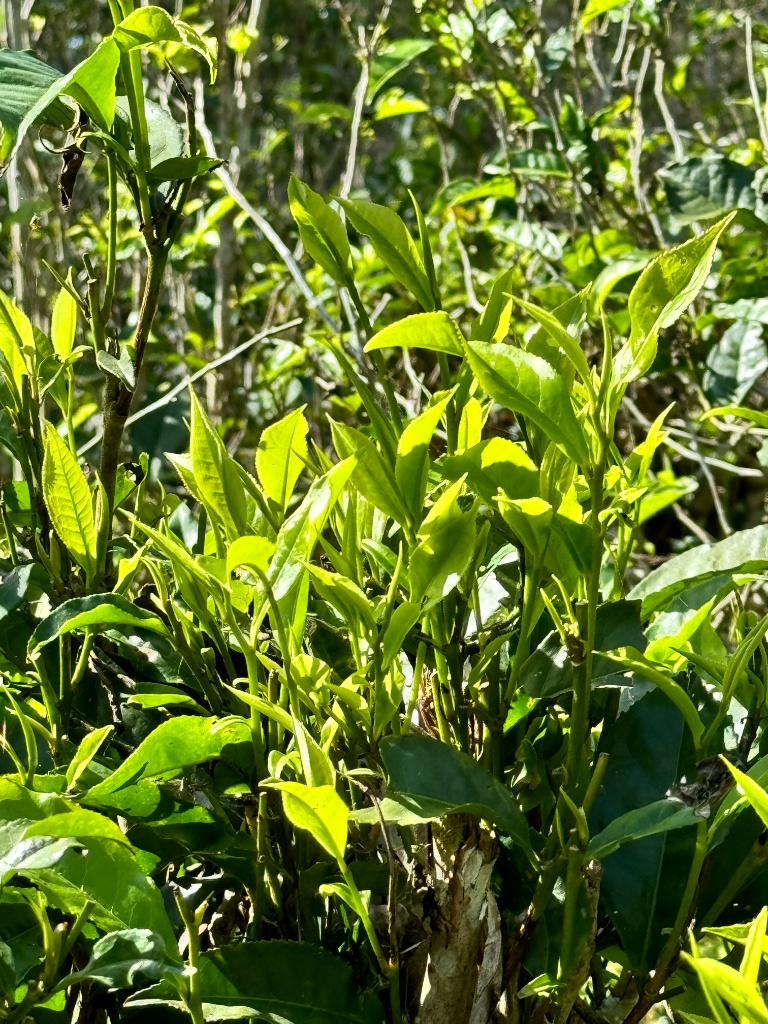
The excitement and sense of wonder we felt that day remain vivid in our memory.
For much of our lives, we believed that tea existed only in carefully cultivated gardens, planted and managed by human hands. Yet the forests and mountains of Chiang Mai revealed a different story—one of ancient tea trees that had quietly grown alongside nature for generations, long before many people had come to recognize their existence or appreciate their value.
That discovery transformed the way we understood tea. We realized that tea is not found only in cultivated fields; it also thrives among forests, mountain mists, and rugged highlands, hidden within landscapes shaped by time and nature. There, these ancient trees have patiently endured, carrying stories that have been preserved for generations, waiting to be discovered once again.
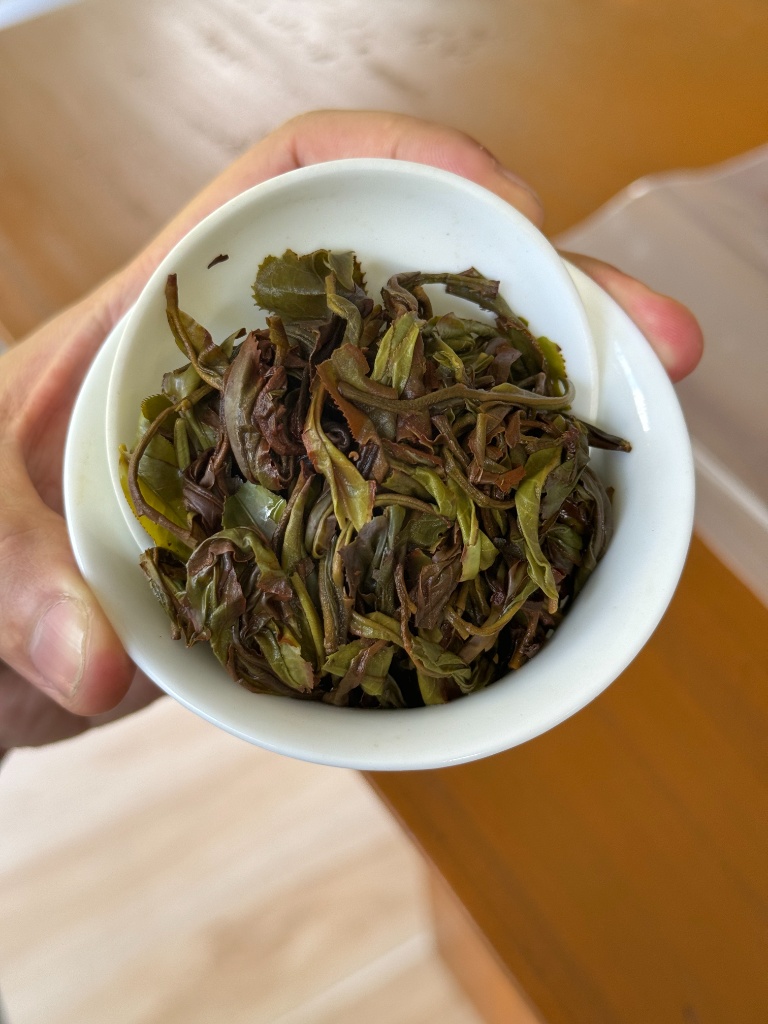
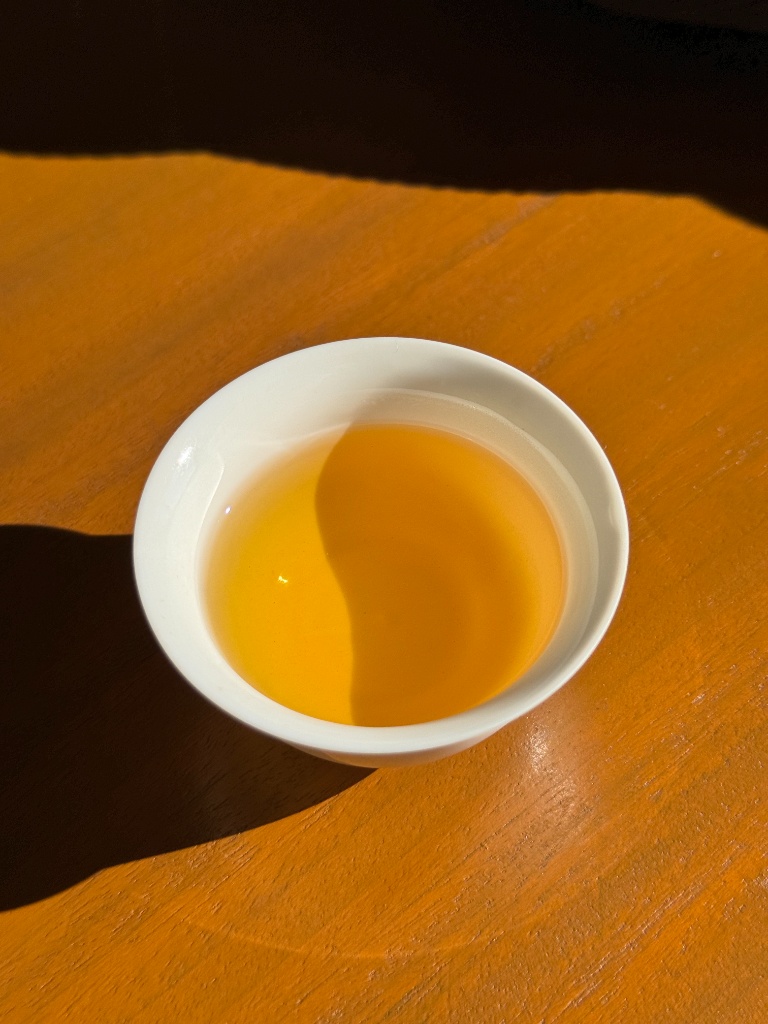
Inspired by that discovery, we began a dedicated journey in 2018 to trace the origins of ancient forest tea in Chiang Mai. We immersed ourselves in research, learning, and exploration, seeking to better understand the tea trees hidden among the forests and mountains of Northern Thailand.
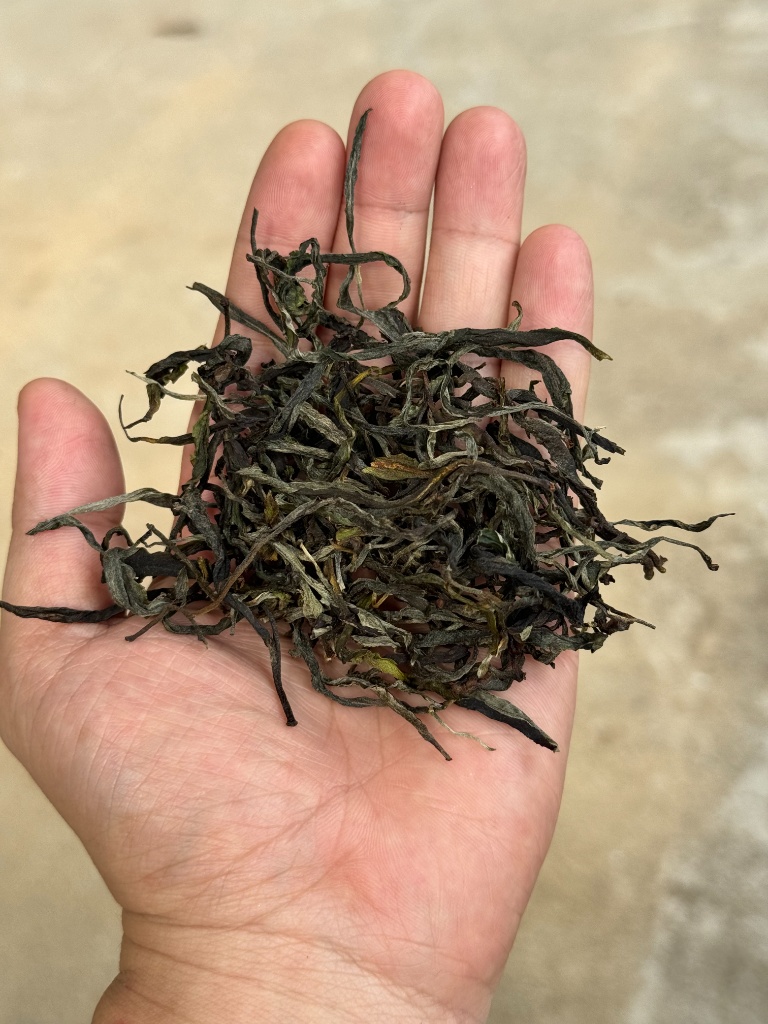
In 2019, we produced our first batches of black tea and oolong tea from these ancient trees. The results exceeded our expectations. Their distinctive aromas and remarkable flavors seemed to capture the very essence of the forest, reinforcing our belief that these ancient tea trees possessed a unique value and a story worthy of preservation and sharing.
However, in 2020, the COVID-19 pandemic brought our research, exploration, and development plans to a temporary halt.
Then, in 2023, we returned to the forest where our journey had begun. What awaited us was a deeply saddening reality. Many of the tea trees that had once flourished in the natural landscape had been cut down, and much of the area had been converted into coffee plantations.
Standing before the transformed landscape, we were reminded of how easily these natural and cultural treasures can disappear. Without continued efforts to study, document, and preserve them, the stories of Thailand’s ancient forest tea may gradually fade with time.
That realization strengthened our commitment to ensuring that these remarkable tea trees—and the heritage they represent—can continue to be appreciated and passed on to future generations.
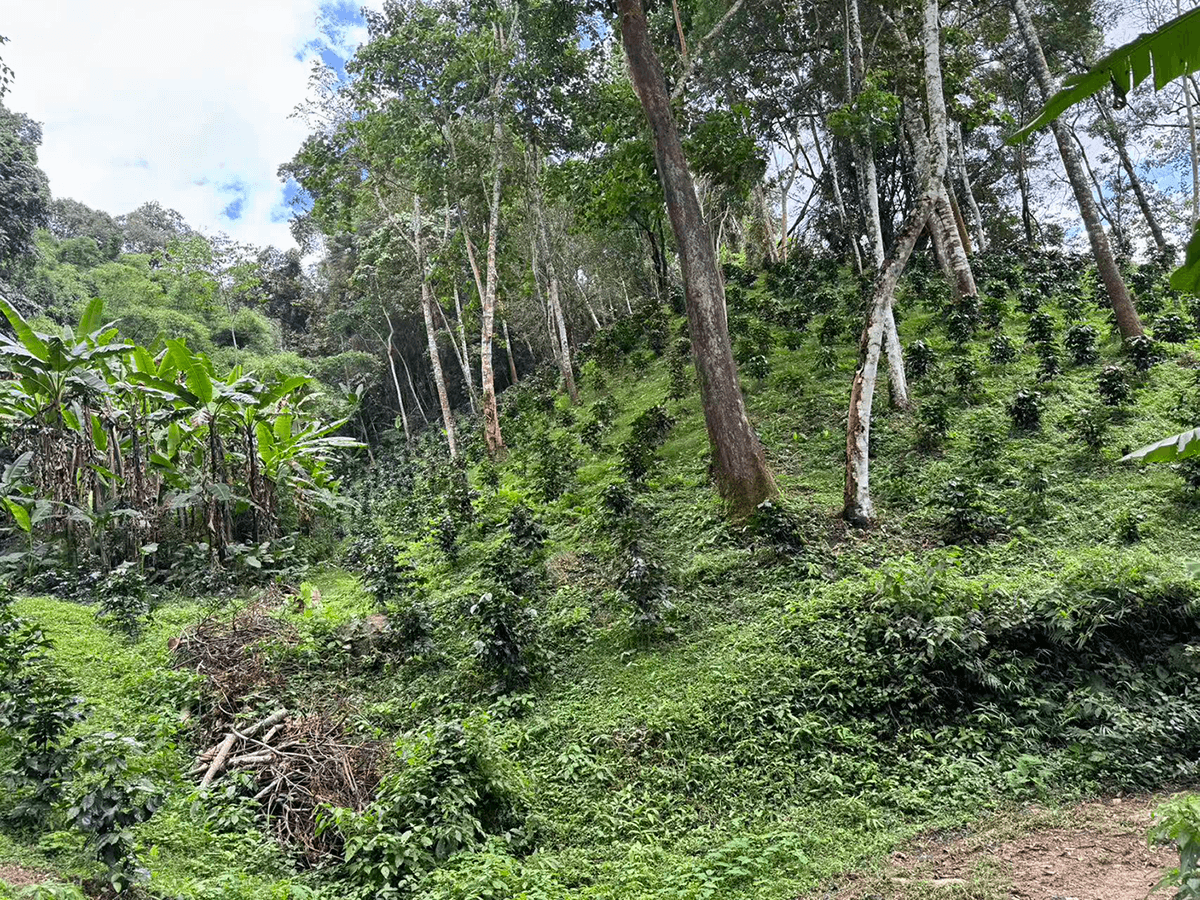
However, this story is not about assigning blame. Many farmers may never have had the opportunity to fully recognize the value and potential of these ancient tea trees. Others may have understood their significance, yet lacked access to the knowledge, processing technology, and market opportunities needed to transform that value into a sustainable livelihood. Faced with the realities of supporting their families and securing a stable income, choosing to cultivate coffee or other commercially viable crops is both understandable and, in many cases, a necessary decision.
As more and more tea trees gradually disappeared from the forest, one truth became increasingly clear to us: the preservation of ancient forest tea cannot rely on appreciation alone. It requires knowledge, innovation, and sustainable economic models that enable local communities to protect and steward these valuable resources while building a secure future for themselves.
Because in the end, preserving a tea tree is about far more than protecting a single plant. It is about safeguarding the stories, cultural heritage, traditional wisdom, and ways of life that have grown alongside these forests for generations.
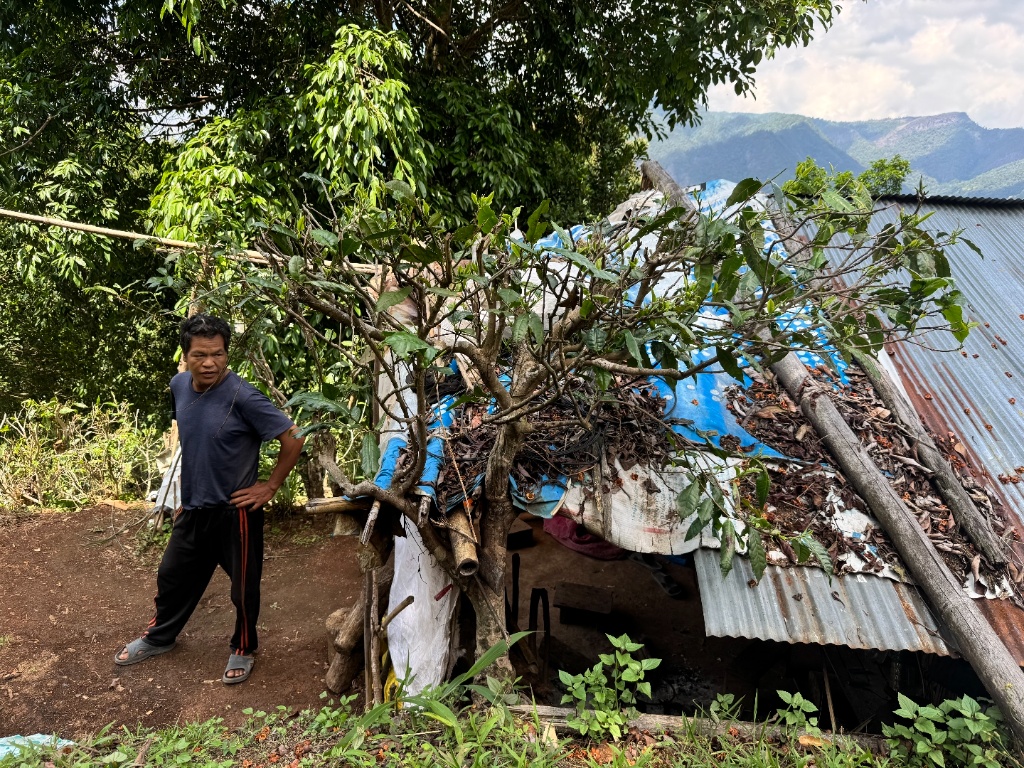
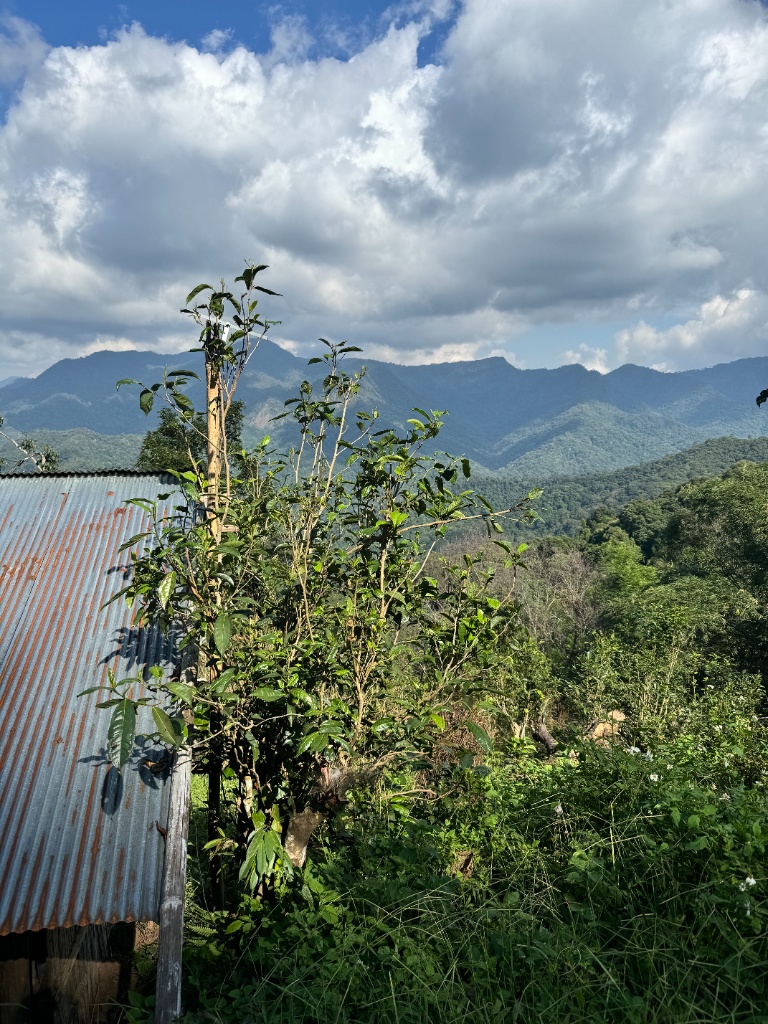
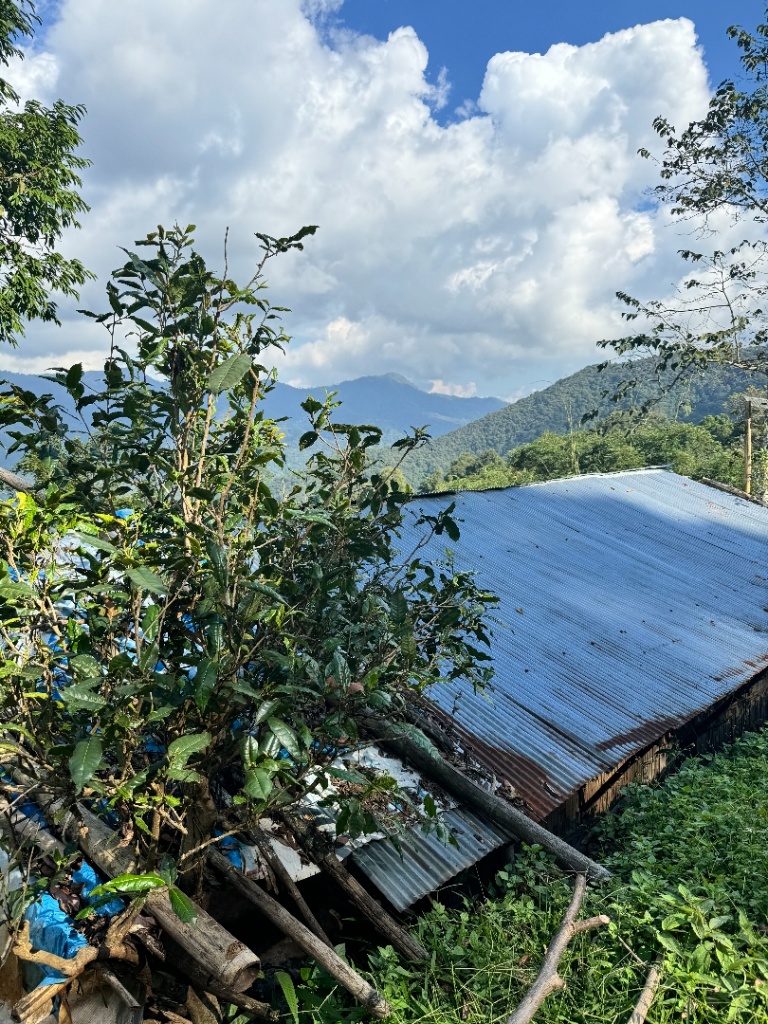
The disappearance of so many tea trees that day did not simply mark the end of one story—it became the beginning of another.
We believe that Thailand’s ancient tea trees should not remain forgotten treasures hidden within the forest. Their history, cultural significance, and unique character deserve to be studied, preserved, and shared with a wider audience, so that more people may come to appreciate their value.
Driven by this conviction, we established our company in Chiang Mai with a clear purpose: to research, develop, and elevate the value of Thailand’s ancient forest tea, while helping to preserve the heritage and stories rooted within these remarkable landscapes.
And that is how ChangKham came to life.

We believe that ancient tea trees are far more than a natural resource. They are a living heritage that connects people, forests, and time itself. For this reason, ChangKham is committed to helping protect the remaining ancient tea trees found within the forests of Northern Thailand, while supporting local communities and farmers in building stable and sustainable livelihoods alongside their conservation.
We harvest our tea with deep respect for nature, adhering to a once-a-year spring harvest that allows the trees to grow according to their natural rhythm and preserves the delicate ecosystem that has sustained them for generations.
For ChangKham, making tea is not about maximizing yield. It is about learning to live in harmony with nature. Between speed and patience, we choose patience. Between exploitation and stewardship, we choose stewardship.
Our hope is that the ancient tea trees of Chiang Mai’s mountains will one day be recognized not as forgotten treasures hidden within the forest, but as a living heritage that is understood, appreciated, and preserved for generations to come.