 CHANGKHAM
Chiang Mai Has Its Own Traditional Tea Culture – Miang (Edible Tea) | CHANGKHAM Shares Thai Tea Culture (2)
When people think of tea in Chiang Mai, they may picture various imported teas or specialty tea drinks served in cafés.
But in fact, Chiang Mai has its own unique traditional tea culture, known as Miang.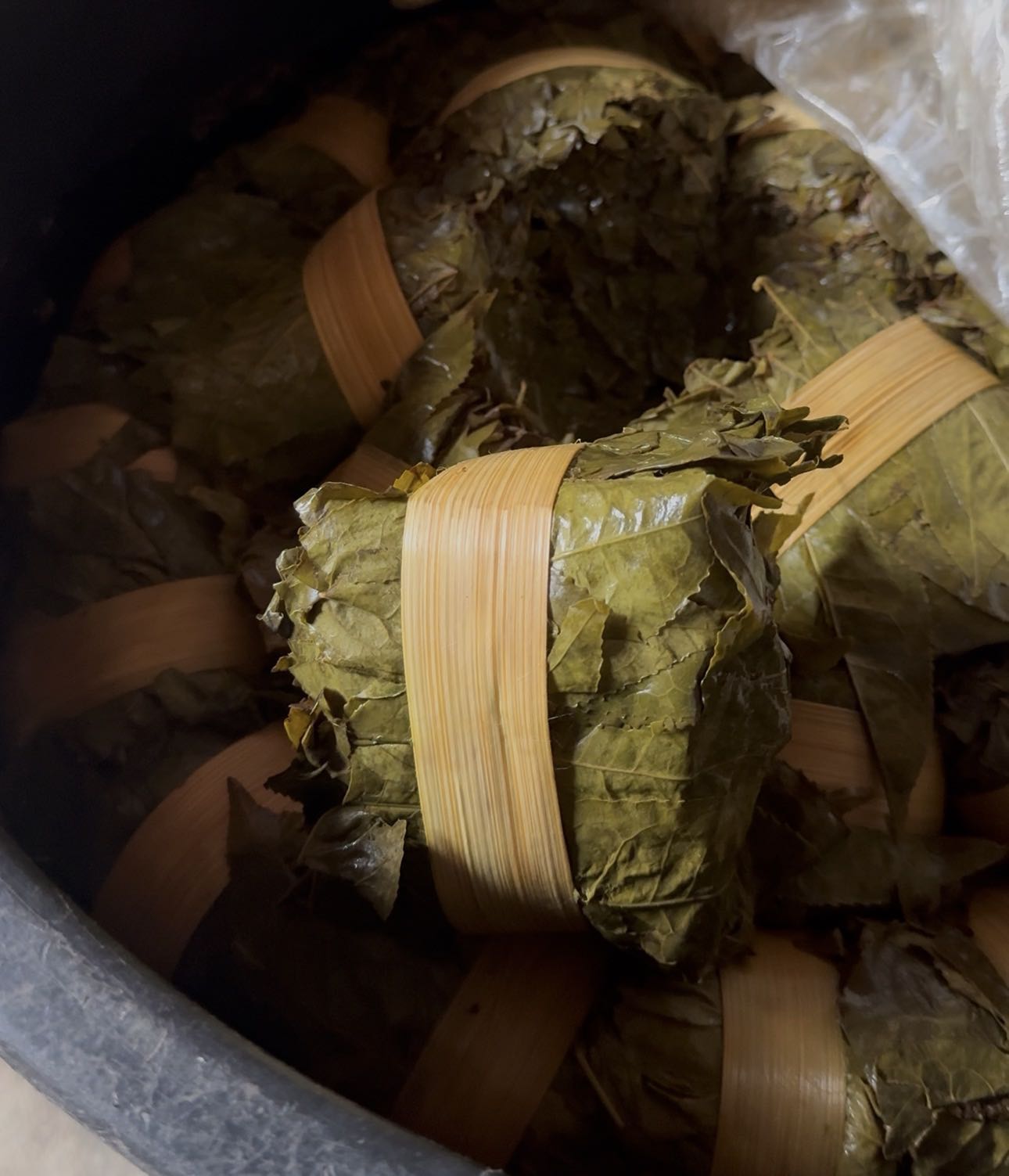 It is one of the most distinctive traditional tea cultures in Northern Thailand, deeply connected to the daily lives and traditions of local people.
What makes Miang so special is that it is not an ordinary tea brewed and served as a drink. Instead, it is a type of fermented tea that people chew directly.
The traditional preparation process is also quite fascinating.
First, local people harvest Assam tea leaves from the mountain forests. The fresh leaves are bundled into small bunches and then steamed until tender.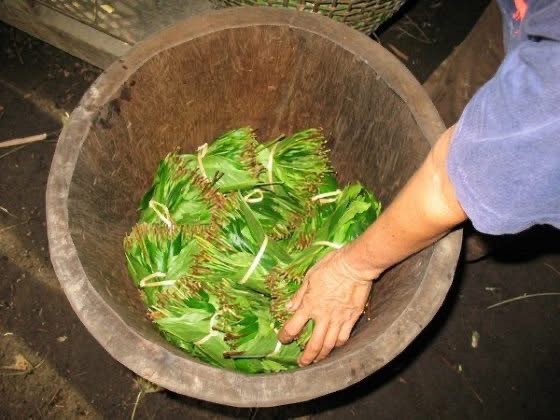
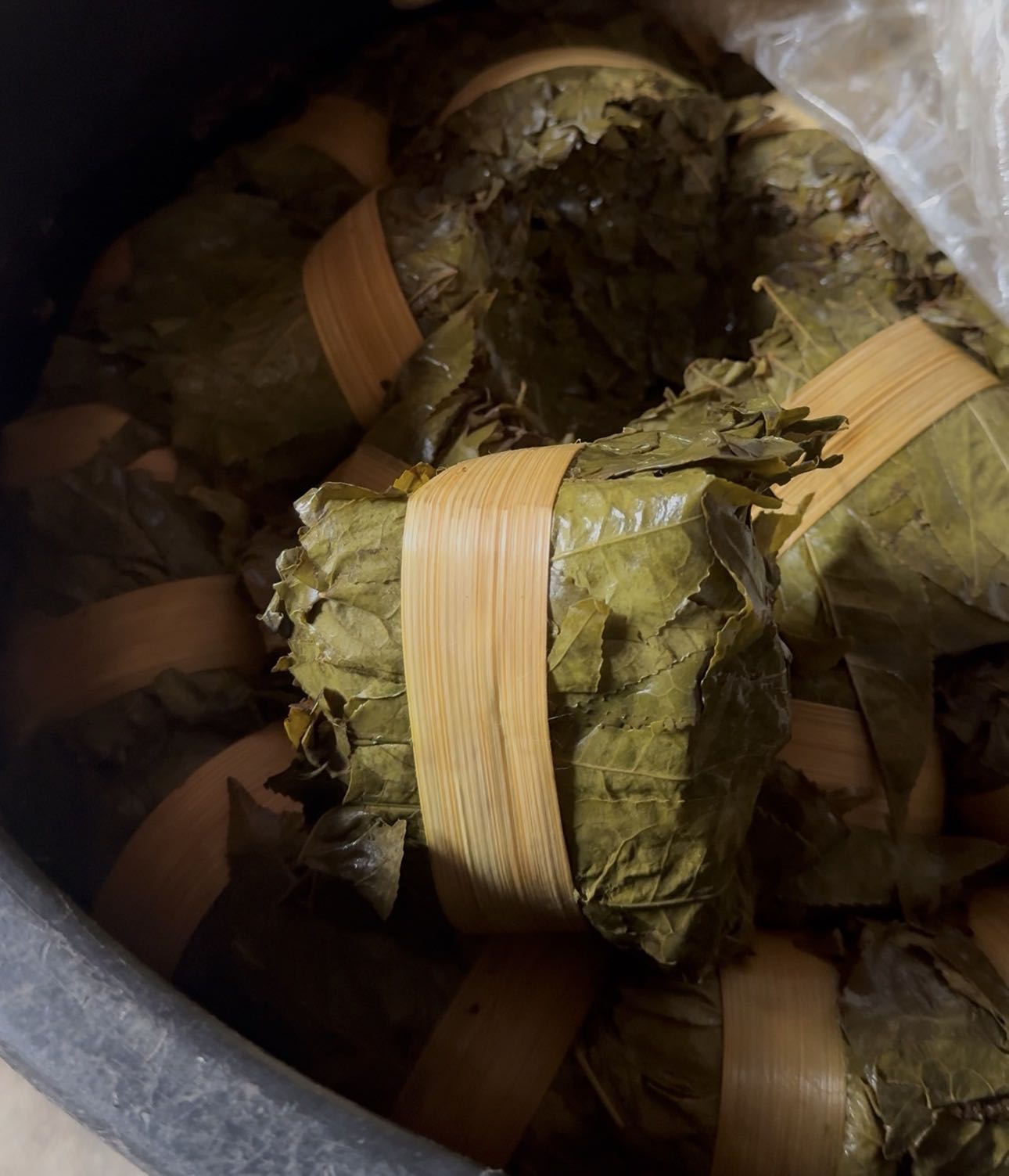
After steaming, the tea leaves are left to cool naturally. Then, they are carefully arranged into bundles and tightly packed into containers. In some traditional methods, the tea leaves are also wrapped in banana leaves.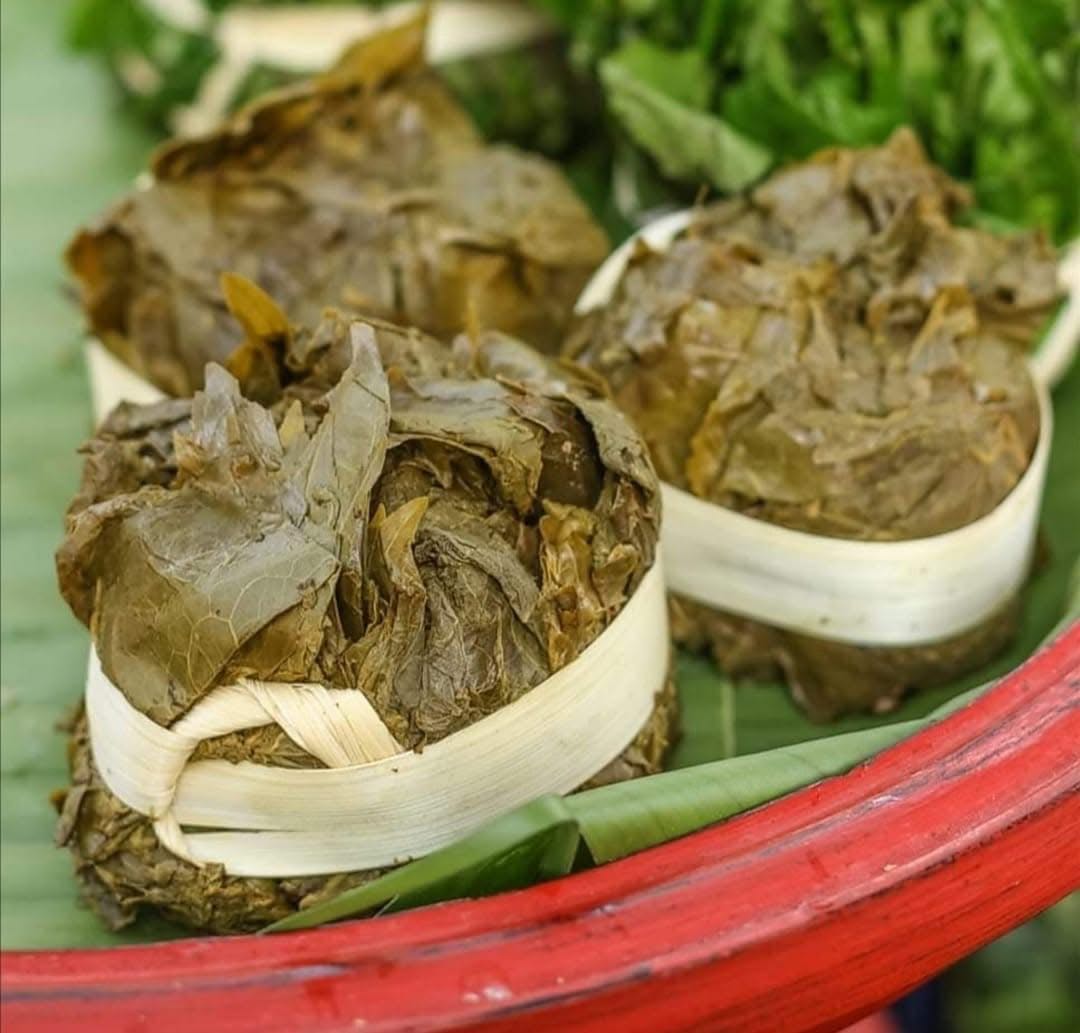
Next comes the most important stage: natural fermentation.
Over several weeks, or even months, the tea leaves slowly develop their unique flavors, creating the distinctive sour aroma and taste that make Miang so special.
So, how exactly do people eat it?
There are several traditional ways to enjoy Miang:
1. Plain Miang
Take a small portion of fermented tea leaves and chew them slowly. This allows you to experience the natural bitterness of the tea, followed by its distinctive fermented sourness.
2. With Peanuts
Add roasted peanuts for an extra crunchy texture.
3. With Ginger
Add finely chopped fresh ginger to create a fresher, more refreshing taste.
4. With Shredded Coconut
Add toasted shredded coconut for a naturally sweet and fragrant flavor.
5. With Salt or Sweet-and-Sour Seasonings
Adjust the flavor according to your personal preference.
Traditionally, people in Northern Thailand enjoy chewing Miang after meals. It is not only a daily snack but also a cultural tradition shared among family and friends while sitting together and chatting.
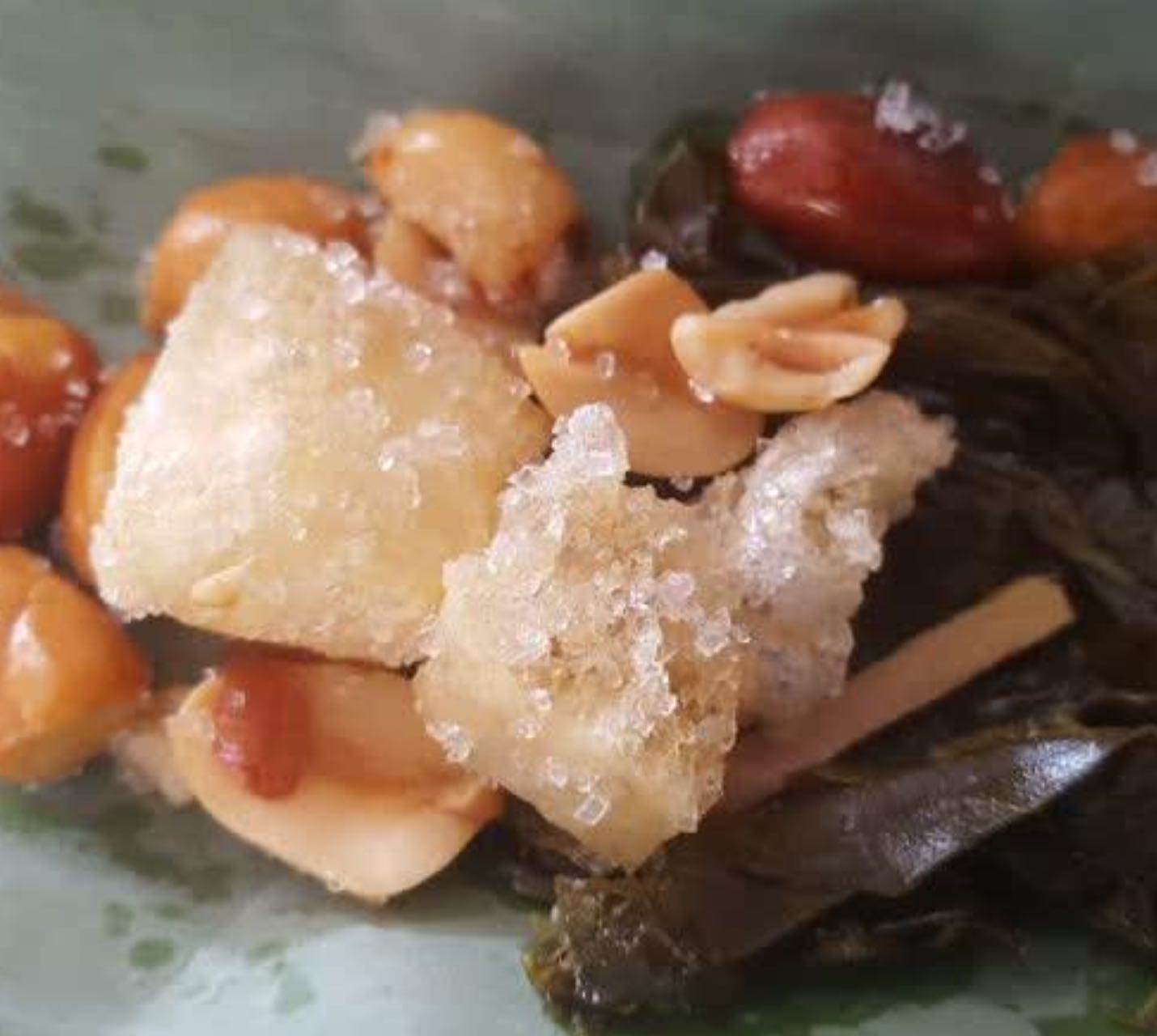
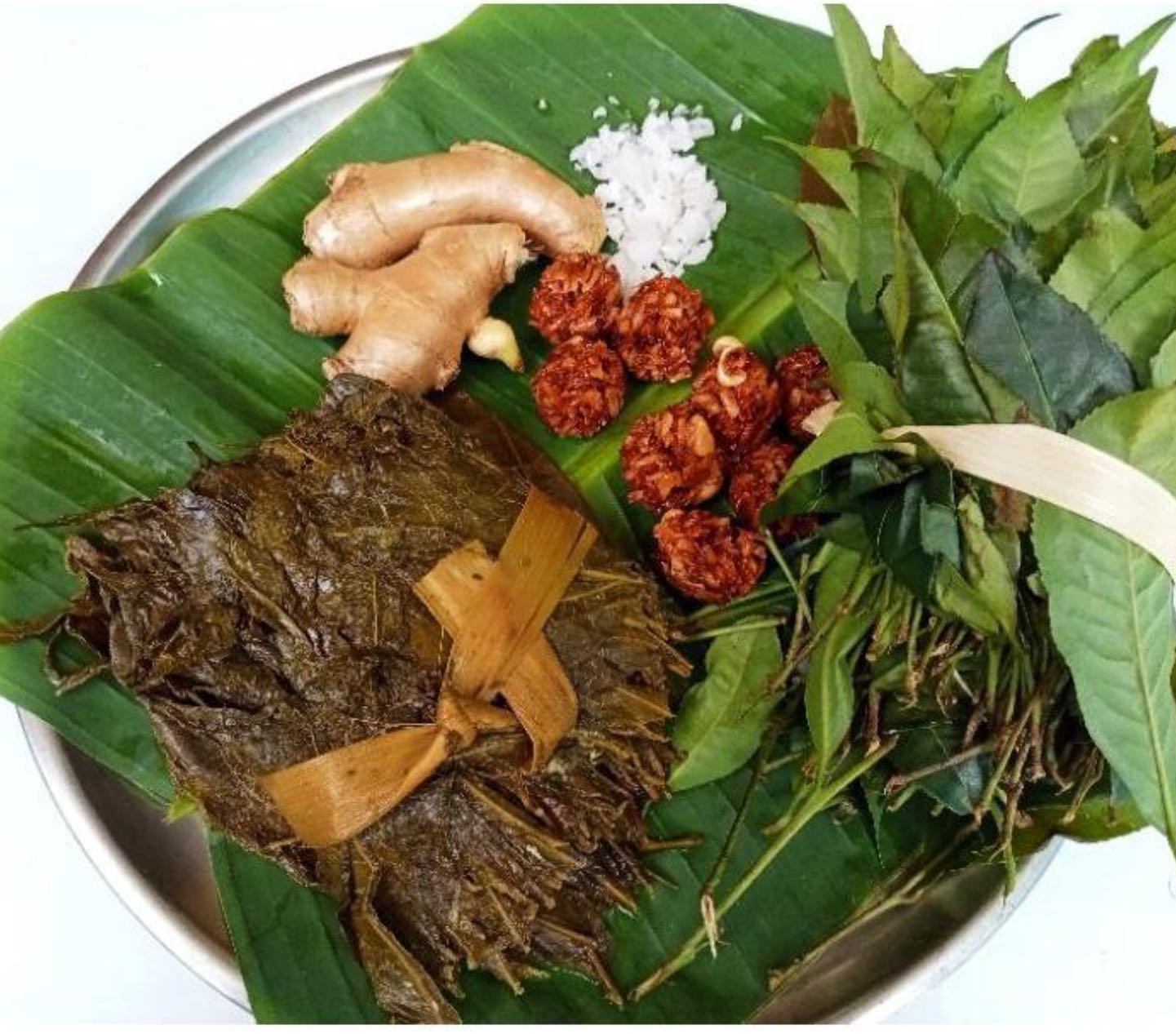
Sometimes, I feel that getting to know a place doesn't necessarily mean visiting all the famous tourist attractions. We can also start by discovering the food and drinks that local people enjoy in their everyday lives.
Just like Miang. Unless you make a special effort to learn about it, many people visiting Chiang Mai might never even know it exists.
It turns out that deep in the mountains and forests of Chiang Mai, alongside coffee, there is also a tea culture that has been passed down for hundreds of years.
And that's what makes Chiang Mai such an interesting place to me. There's always something new and unexpected waiting to be discovered.